Modular zero-knowledge proofs limits to account for
Modular zero-knowledge proofs constraint refers to the architectural approach of breaking complex verification tasks into smaller, independent sub-proofs. Instead of generating a single monolithic proof for an entire dataset or transaction, developers construct separate proofs for specific components—such as identity checks, asset balances, or consensus rules—and then combine them into a final verification result. This method addresses the scalability bottleneck inherent in traditional ZK systems, where proof generation time and size grow exponentially with circuit complexity.
The primary advantage is composability. By treating proofs as modular building blocks, teams can reuse existing circuits for common operations like signature verification or Merkle tree inclusion proofs. This reduces development overhead and allows for parallel processing, significantly speeding up the overall proof generation pipeline. For example, a DeFi protocol might use one module to verify user credentials and another to validate transaction amounts, combining them only at the final stage.
However, this modularity introduces new constraints. Combining multiple proofs requires careful management of public inputs and cross-reference validation to ensure the integrity of the final result. If one module is compromised or incorrectly constructed, the entire combined proof fails. Additionally, the overhead of linking proofs can sometimes offset the gains from parallelization, making it essential to evaluate the specific trade-offs between proof size, generation time, and verification cost for each use case.
Modular zero-knowledge proofs choices that change the plan
Modular zero-knowledge architectures split proof generation into distinct stages—typically circuit compilation, constraint solving, and proof aggregation—rather than handling everything in a single monolithic pass. This separation allows teams to optimize each layer independently, but it introduces specific engineering tradeoffs that impact cost, latency, and security assumptions.
When evaluating a modular ZK stack, focus on how the components interact. A failure in one module, such as a bottleneck in the constraint solver, can cascade into higher proving costs or delayed finality. The following table breaks down the primary factors to consider when choosing between monolithic and modular approaches.
| Factor | Monolithic ZK | Modular ZK | Key Impact |
|---|---|---|---|
| Proving Speed | Slower for large circuits due to single-threaded bottlenecks | Faster via parallelized sub-proofs and aggregation | Throughput scales better with modular designs |
| Verification Cost | Higher gas fees for full proof verification on-chain | Modular reduces L1 data availability costs | |
| Development Complexity | Simpler tooling but harder to debug large circuits | Requires managing multiple frameworks and interfaces | Higher engineering overhead for modular stacks |
| Security Model | Single trust assumption for the entire proof system | Distributed trust across multiple proving components | Modular reduces single-point-of-failure risk |
The most significant tradeoff often lies in development complexity versus operational efficiency. Monolithic systems like early Zcash implementations are easier to prototype because they rely on a single proof system (such as SNARKs or STARKs) end-to-end. However, as transaction volume grows, the computational cost of generating these proofs becomes prohibitive. Modular systems, by contrast, use recursive proofs to compress multiple transactions into a single proof, drastically reducing verification costs on the main chain.
Another critical consideration is the security assumption. In a modular architecture, you are trusting multiple components to work correctly together. If one module has a vulnerability, the entire proof’s integrity is compromised. Therefore, rigorous auditing of each module is essential. For most real-world asset verification use cases in 2026, the benefits of lower verification costs and higher throughput outweigh the added complexity of managing a modular stack.
How to choose a zero-knowledge proof framework
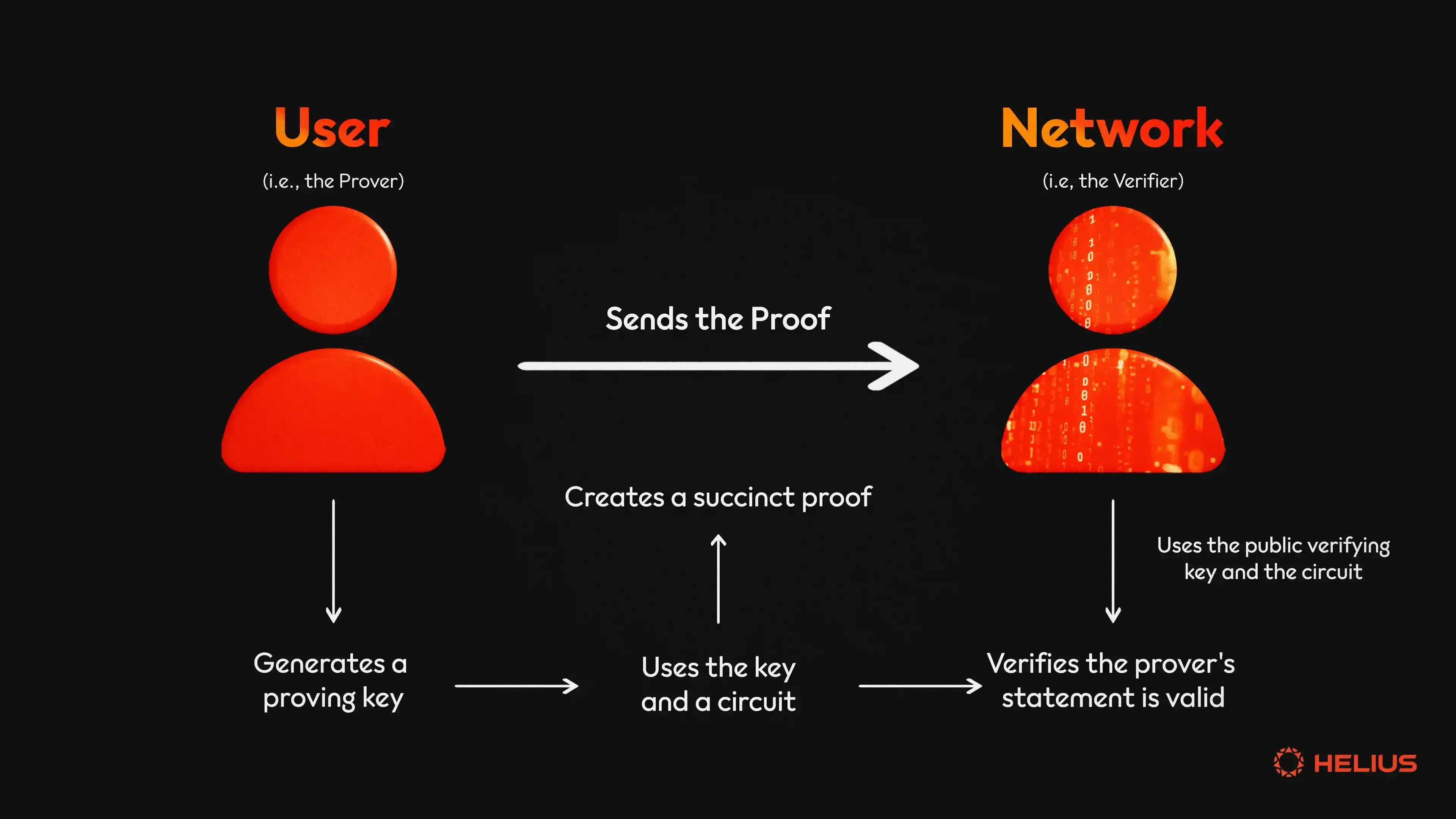
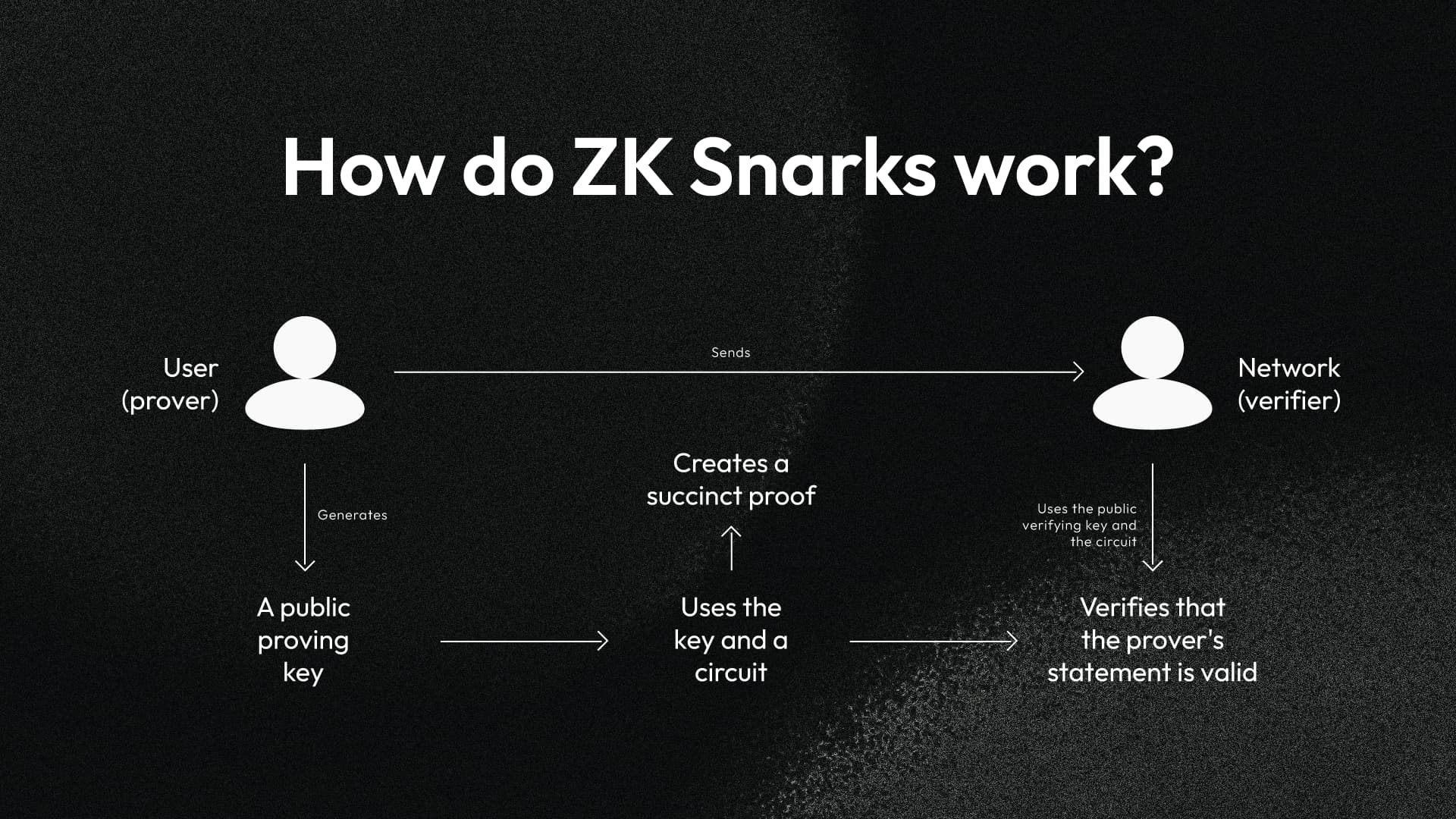
Selecting a ZK architecture for 2026 requires matching proof properties to your specific verification needs rather than chasing raw speed. Modular ZK systems now separate proving, verification, and data availability, allowing you to pick components that fit your constraints. Start by defining the exact secret you need to protect and the environment where the proof will be checked.
Identify Weak ZK Model Proofs
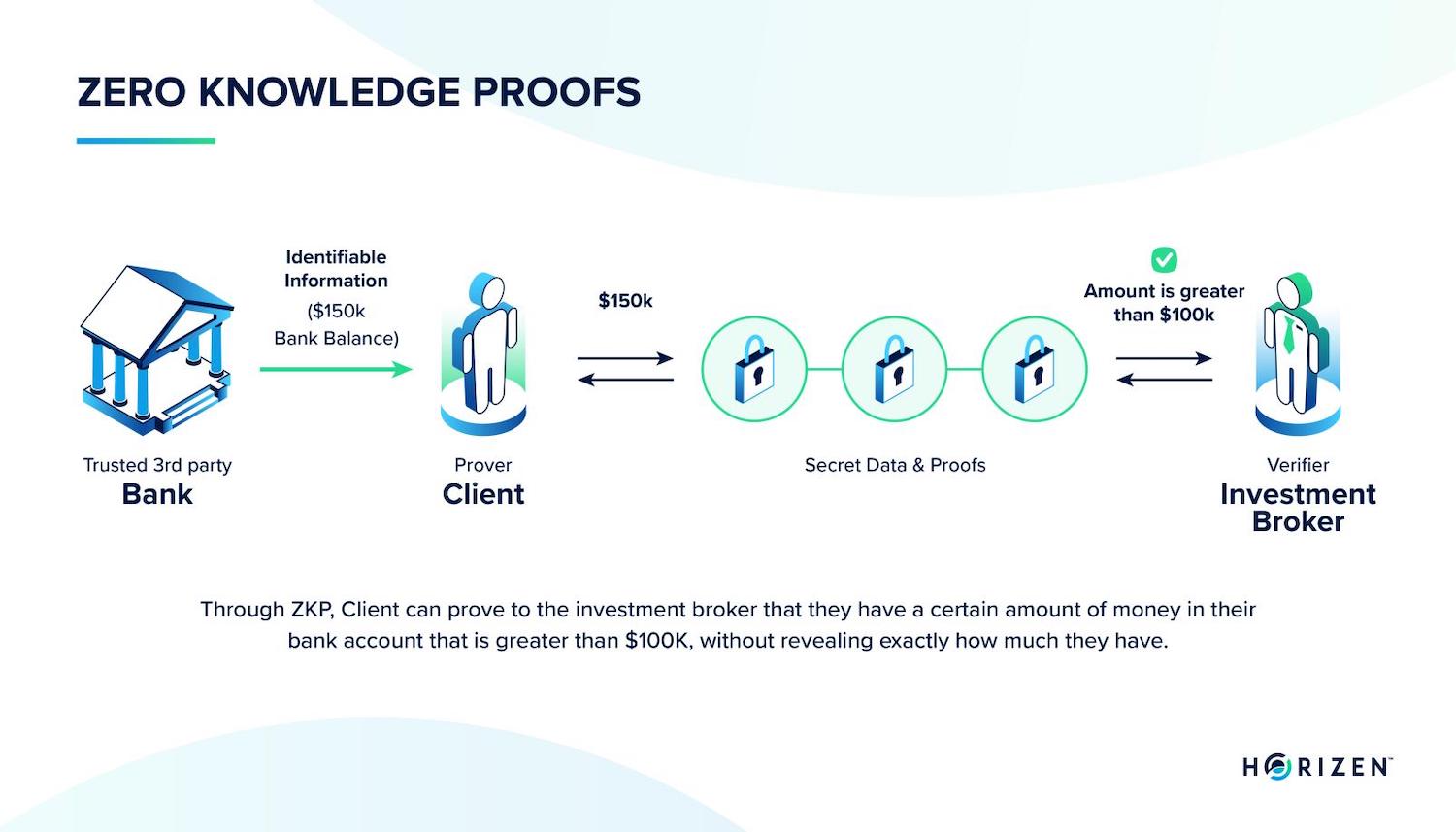
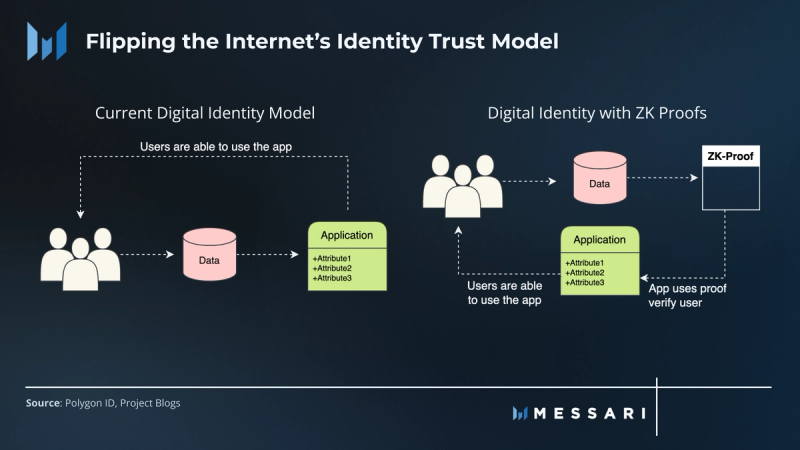
Zero-knowledge proofs (ZKPs) allow a prover to demonstrate knowledge of a secret without revealing the value itself. However, as modular architectures mature in 2026, many implementations fail under scrutiny. Recognizing weak options prevents costly security failures in real-world asset verification.
Common Misconceptions
A frequent error assumes that any zk-SNARK implementation is inherently secure. This is false. Weaknesses often stem from poor parameter selection or reliance on untested trusted setups. Always verify the underlying cryptographic assumptions and check for recent audit reports.
Red Flags in Verification
Look for projects claiming "quantum resistance" without citing specific lattice-based schemes like those analyzed in recent IACR research. If a solution lacks transparent verification keys or hides its circuit complexity, it is likely a weak option. Prioritize modular designs that separate proof generation from verification logic for greater transparency.
Modular zero-knowledge proofs: what to check next
Zero-knowledge proofs (ZKPs) let one party prove a statement is true without revealing the underlying data. Think of them as tamper-proof stamps on opaque envelopes: the blockchain confirms a transaction is valid—like splitting $1,000 correctly—without seeing the sender's balance or the recipient's identity.
What are modular zero-knowledge proofs?
Modular ZKPs break complex computations into smaller, reusable circuits. Instead of proving an entire transaction from scratch, developers compose proofs from modular components. This approach drastically reduces proof generation time and verification costs, making ZKPs practical for real-world asset verification and high-throughput blockchains.
Why are ZKPs needed for real-world assets?
Traditional blockchain verification requires exposing sensitive financial data. ZKPs enable institutions to verify compliance, solvency, or ownership without leaking proprietary information. This privacy-preserving verification is essential for integrating regulated assets like bonds or real estate onto public ledgers.
Are ZKPs quantum-resistant?
Most current ZK systems rely on elliptic curve cryptography, which is vulnerable to quantum attacks. However, new lattice-based frameworks, such as Adh, are emerging as quantum-resistant alternatives. These systems use modular arithmetic and complex lattice structures to secure proofs against future quantum computing threats.
How do ZKPs differ from privacy coins?
Privacy coins like Monero hide transaction details by default. ZKPs offer selective disclosure: you can prove you are over 18 without revealing your birthdate, or prove a transaction is valid without showing the amount. This granularity makes ZKPs more suitable for regulated industries than blanket anonymity.
No comments yet. Be the first to share your thoughts!