Proving model provenance in 2026
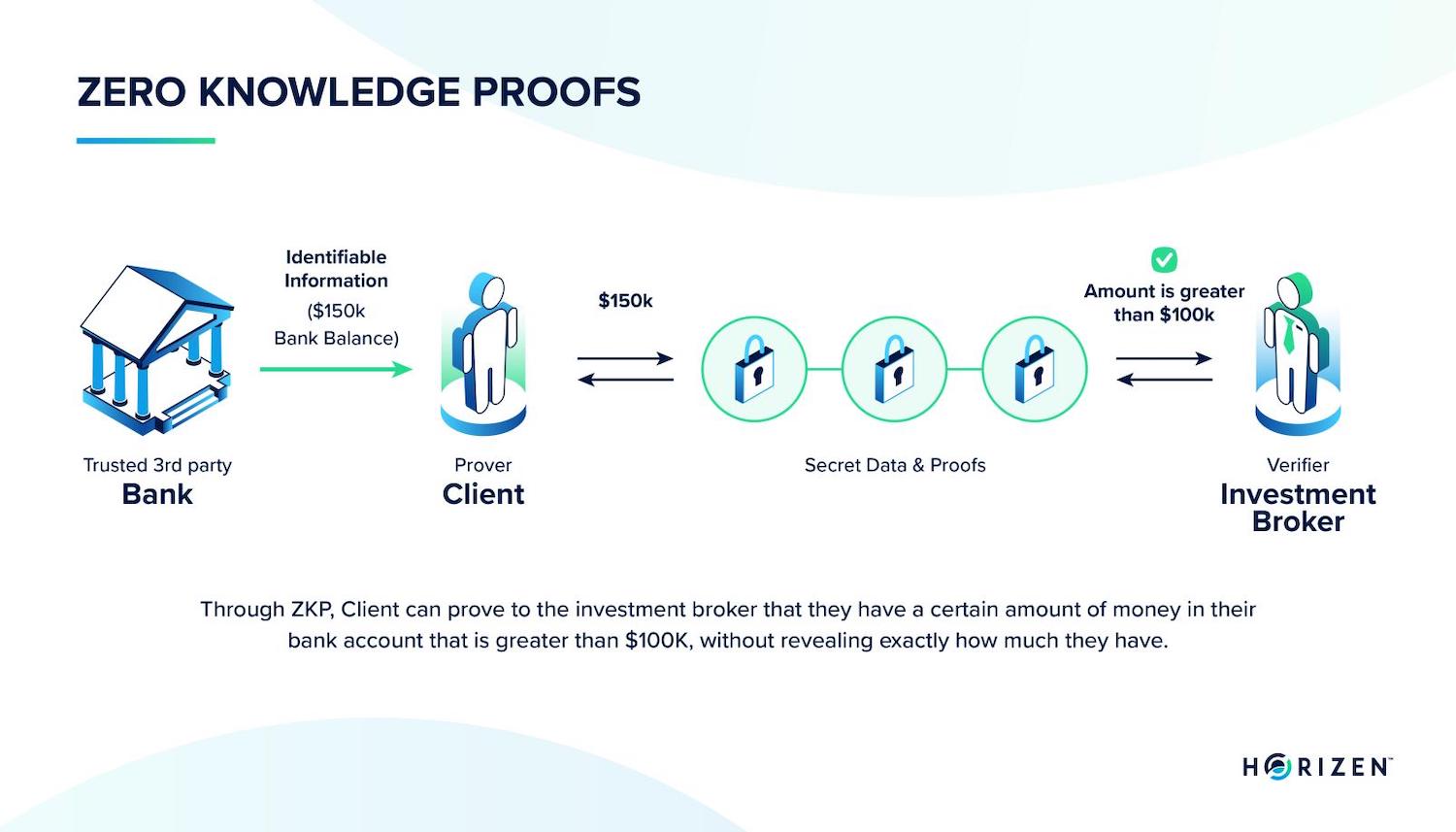
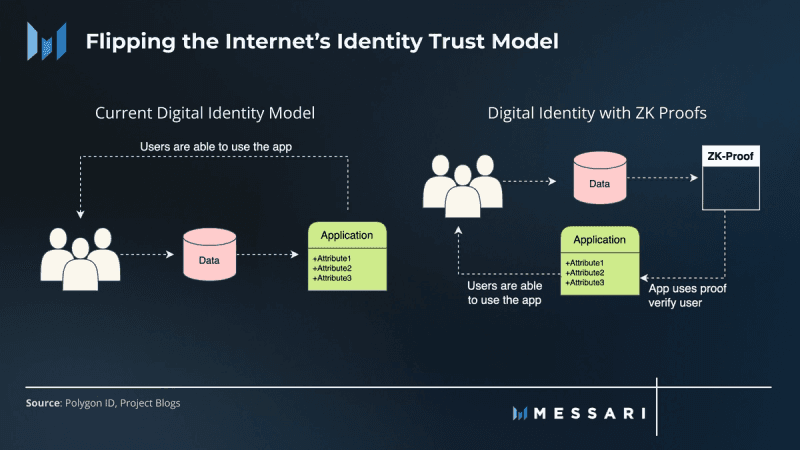
In 2026, the central challenge for AI governance is no longer just about model performance, but about verifying the integrity of the training data and weights that produced it. Zero-knowledge (ZK) model proofs have emerged as the primary mechanism for this verification. They allow an organization to cryptographically prove that a model was trained on a specific, approved dataset without exposing the proprietary data or the underlying weights to the verifier. This capability is essential for regulatory compliance and trust in high-stakes financial and healthcare applications where data provenance is non-negotiable.
The 2026 landscape is defined by the urgent need for post-quantum security. Traditional cryptographic methods are increasingly vulnerable to quantum computing advances, making quantum-resistant proof systems a priority. This has accelerated the adoption of zk-STARKs, which offer scalability and quantum resistance, alongside zk-SNARKs, which provide faster verification times but rely on trusted setup ceremonies that some institutions find risky. The choice between these two technologies now hinges on a trade-off between verification speed and long-term cryptographic security.
As highlighted in recent discussions at ZKProof 8 in Rome, the industry is moving toward dynamic proof systems that can handle the sparse and complex nature of large language model training data. These systems aim to reduce the computational overhead of generating proofs while maintaining the integrity of the provenance claim. For financial institutions, this means the ability to audit AI models for bias or data leakage without compromising competitive advantage or violating data privacy laws.
SNARKs vs STARKs: Core differences
Zero-knowledge proofs have moved from theoretical cryptography to the backbone of blockchain infrastructure. As model provenance becomes critical for verifying AI outputs, the choice between SNARKs and STARKs dictates the feasibility of scaling verification. The decision hinges on three trade-offs: proof size, verification speed, and quantum resistance.
SNARKs (Succinct Non-interactive Arguments of Knowledge) prioritize compactness. Their proofs are small—often under 200 bytes—making them ideal for on-chain verification where storage is expensive. However, this efficiency comes with a caveat: most SNARK schemes require a trusted setup. This initial ceremony must be conducted securely, and if the cryptographic parameters are compromised, the entire system’s integrity collapses. SNARKs are also vulnerable to attacks by future quantum computers.
STARKs (Scalable Transparent Arguments of Knowledge) eliminate the trusted setup entirely, relying on public randomness instead. This transparency removes a significant attack vector and provides post-quantum security, as STARKs are based on hash functions rather than elliptic curve cryptography. The trade-off is scale. STARK proofs are significantly larger, often measuring in kilobytes, and verification can be computationally heavier. For high-frequency trading or real-time AI model validation, this latency and data overhead can be prohibitive.
The following table outlines the structural differences that influence system design for model provenance.
| Feature | SNARKs | STARKs |
|---|---|---|
| Proof Size | Small (~200 bytes) | Large (KB range) |
| Verification Time | Fast | Moderate |
| Trusted Setup | Required | Not Required |
| Quantum Resistance | No | Yes |
| Cryptography | Elliptic Curves | Hash Functions |
In practice, the choice depends on the threat model. If the primary concern is minimizing on-chain gas costs and latency, SNARKs remain the standard. If the priority is long-term security against quantum adversaries and eliminating trusted setup risks, STARKs are the superior architecture for model provenance.
Post-quantum security requirements
The cryptographic foundations of zero-knowledge proofs are not static; they are under constant pressure from advancing computational power. For model provenance, where the integrity of an AI system’s lineage must be guaranteed for decades, the threat of quantum computing is not a distant theoretical risk but an immediate architectural constraint. This reality has shifted the market preference toward STARKs, which offer post-quantum security, while SNARKs remain the default for immediate, low-latency verification.
STARKs (Scalable Transparent Arguments of Knowledge) rely on hash functions and polynomial commitments that are widely believed to be resistant to quantum attacks. Because they do not depend on the hardness of elliptic curve discrete logarithms, STARKs provide a long-term security guarantee that aligns with the lifecycle of valuable AI models. In contrast, most SNARKs (Succinct Non-interactive Arguments of Knowledge) utilize elliptic curve cryptography (ECC), which is vulnerable to Shor’s algorithm on a sufficiently powerful quantum computer.
This divergence creates a clear trade-off for developers and auditors. If a model’s provenance needs to be verified within seconds on a consumer device, SNARKs offer superior verification speeds and smaller proof sizes. However, for institutional use cases where data must remain secure against future quantum adversaries, the slightly larger proof sizes of STARKs are a necessary premium. The choice is no longer just about performance; it is about the longevity of the trust anchor itself.
Selecting the right proof system
Choosing between SNARKs and STARKs for model provenance requires mapping technical constraints to business risk. SNARKs offer compact proofs ideal for gas-constrained environments, while STARKs provide quantum resistance and transparent setup. The decision hinges on three factors: proof size, verification speed, and long-term security posture.
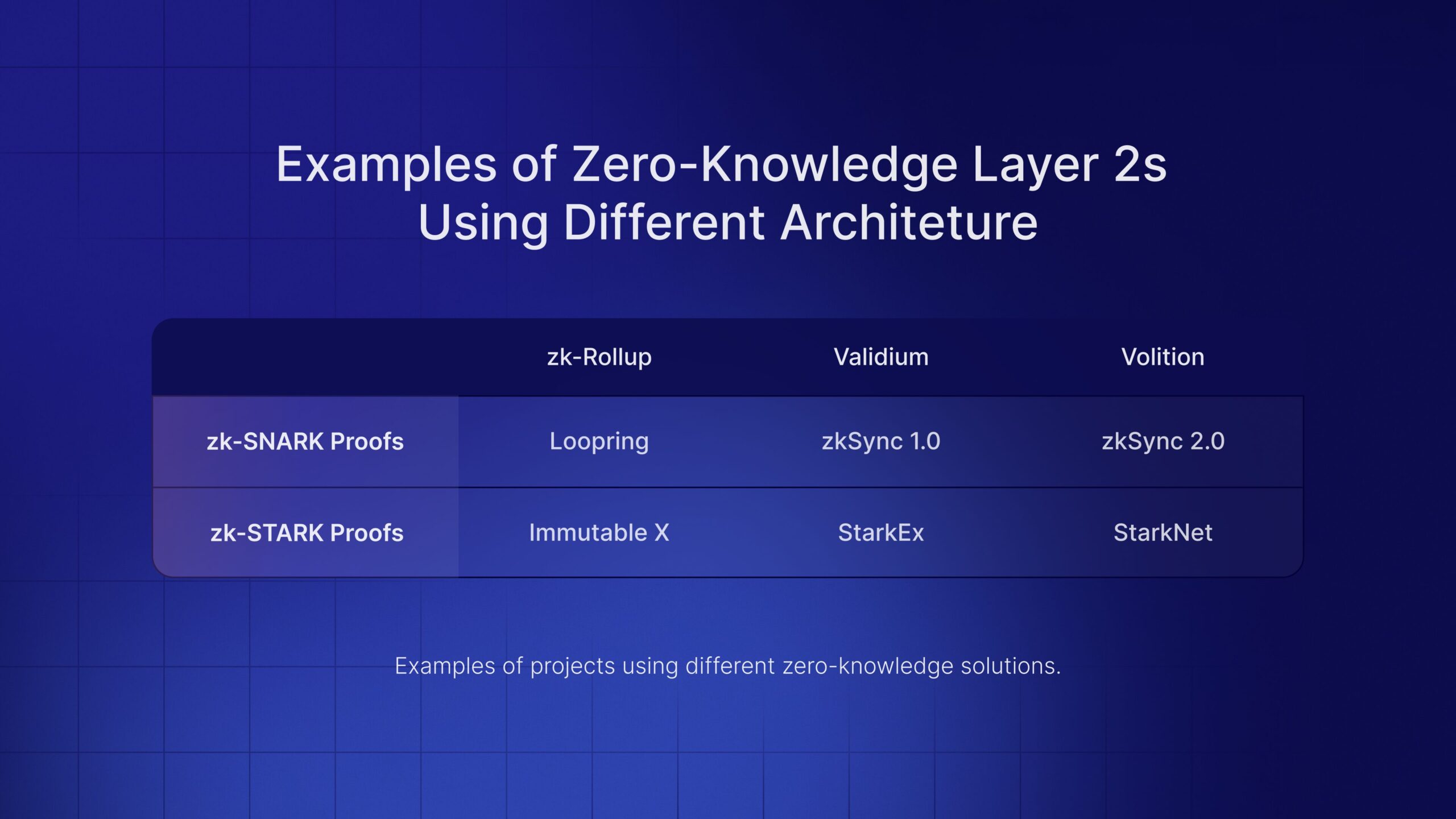
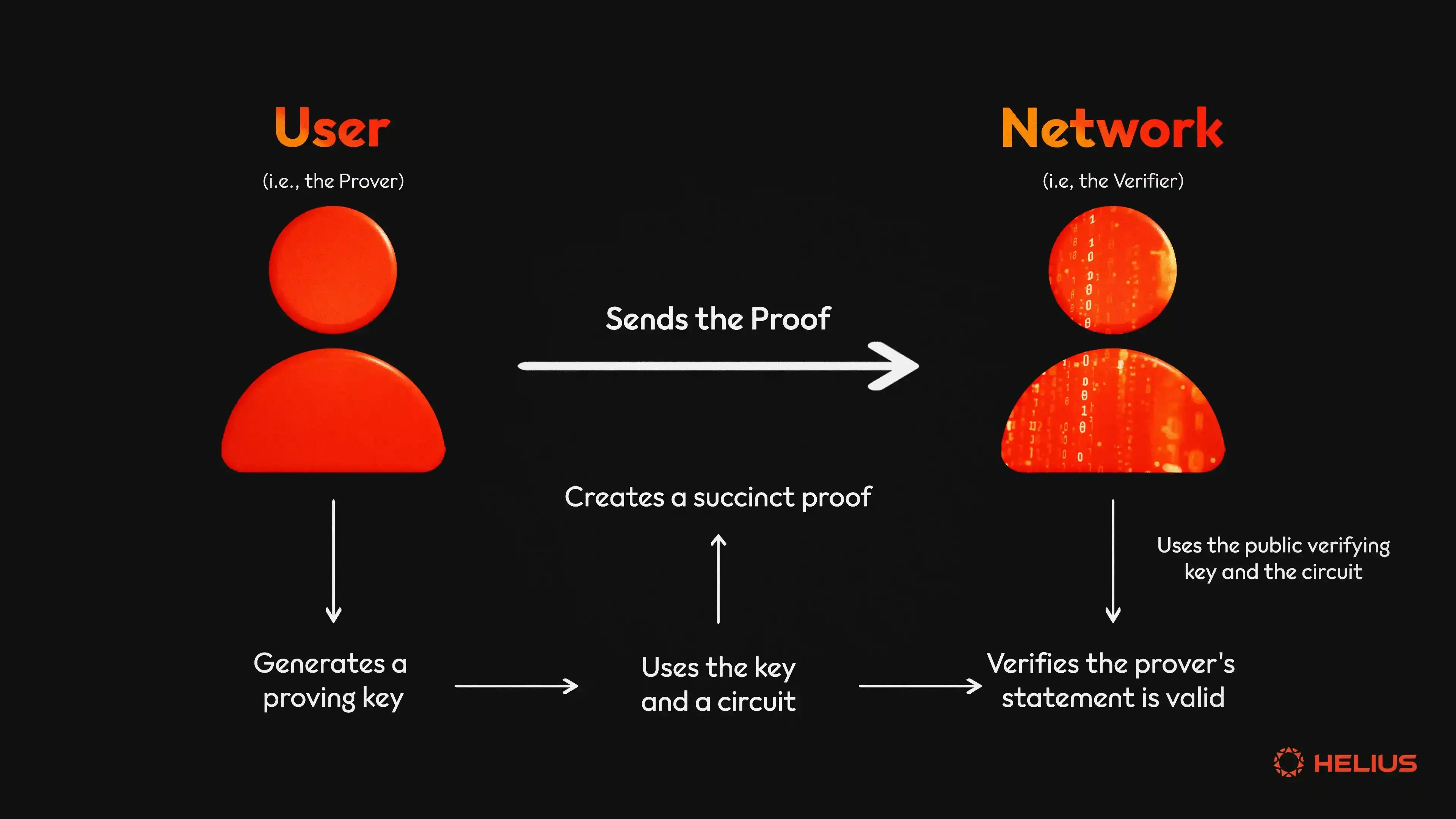
The choice is not merely technical; it is a strategic alignment of proof size, security horizon, and infrastructure capability. SNARKs win on immediate cost and compatibility, while STARKs win on future-proof security and operational simplicity.
Implementation and ecosystem status
The transition from theoretical ZK model proofs to production-grade infrastructure is accelerating, though the gap between academic prototypes and enterprise readiness remains distinct. In 2026, the ecosystem is bifurcating along the lines of proof system maturity: SNARKs are dominating high-throughput, low-latency verification needs, while STARKs are gaining traction for post-quantum security guarantees and larger circuit sizes.
Developer tooling has stabilized enough to support real-world deployment. Platforms like Cardano are integrating SnarkJS-compatible verifiers directly into smart contract languages such as Aiken, enabling off-chain proof generation with on-chain verification. This shift allows complex model provenance checks to occur without bloating the blockchain state, a critical step for scaling.
The academic and industry communities are converging on standardization. The upcoming ZKProof 8 workshop in Rome, scheduled for May 9–10, 2026, will focus heavily on dynamic zk-SNARKs and sparse proof applications. These developments signal a move toward interoperable standards, reducing the friction for financial institutions seeking to adopt ZK proofs for model audit trails.
Frequently asked: what to check next
Can Cardano add zk proofs?
Yes. By implementing a SnarkJS-compatible verifier in Aiken, Cardano smart contracts can verify proofs generated with common ZK tools like Circom. This allows sensitive or expensive logic to move off-chain while proving the result on-chain, effectively extending Cardano's capabilities without altering its base consensus layer [src-serp-2].
What is the difference between SNARKs and STARKs for model provenance?
SNARKs offer smaller proof sizes and faster verification, making them ideal for systems with strict storage limits. STARKs provide post-quantum security and do not require a trusted setup, which is preferable for high-stakes environments where long-term cryptographic resilience is a priority.
Why are zero-knowledge proofs important for AI model integrity?
They allow developers to prove that an AI model was trained on specific, compliant data without revealing the proprietary weights or the underlying dataset. This creates a verifiable chain of custody for model provenance, ensuring that the output matches the intended ethical and security constraints.
No comments yet. Be the first to share your thoughts!