What zero-knowledge AI verification actually does
Zero-knowledge AI verification solves a fundamental trust problem in machine learning. It allows a model provider to prove that their AI system operates correctly without exposing the underlying weights, training data, or proprietary algorithms. This capability is essential for industries where data privacy and intellectual property protection are non-negotiable, such as healthcare, finance, and legal compliance.
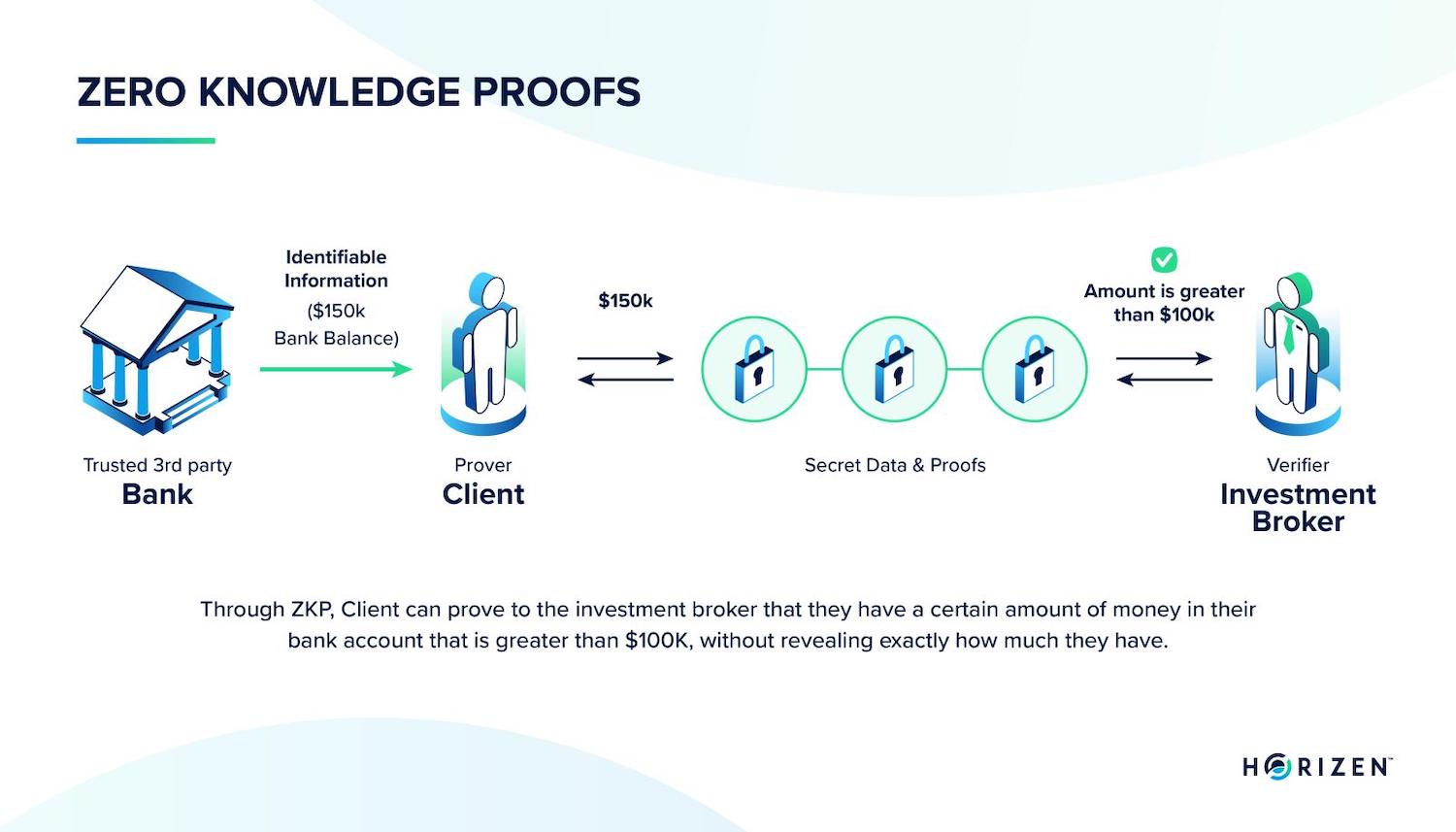
The concept relies on zero-knowledge proofs (ZKPs), a cryptographic protocol where one party (the prover) can convince another party (the verifier) that a statement is true without revealing any information beyond the validity of the statement itself. In the context of AI, the prover is the model owner, and the verifier is the auditor, regulator, or customer. This ensures that the model's output is generated according to agreed-upon rules, even if the model's internal logic remains a black box.
Think of this process like a locked safe. You need to verify that the safe contains a specific valuable item, but you cannot open it to see inside. Zero-knowledge AI verification provides a mathematical guarantee that the item is there, without ever requiring you to look at its contents. This preserves the confidentiality of the model while establishing absolute confidence in its integrity.
This approach shifts the burden of proof from transparency to cryptographic assurance. Instead of demanding access to sensitive datasets or source code, stakeholders can rely on verifiable proofs that the model adheres to strict standards. This fosters a more secure and compliant AI ecosystem, where trust is derived from mathematical certainty rather than blind faith in the provider.
Why traditional model auditing fails
Traditional model auditing relies on transparency, but true transparency is often impossible in practice. Most commercial AI systems operate as black boxes, where the internal logic is proprietary or too complex for human inspection. This opacity creates a fundamental conflict: organizations need to verify that a model complies with copyright laws and privacy regulations, yet disclosing the training data or weights would expose sensitive intellectual property and trade secrets.
When auditors request access to training datasets to check for compliance, businesses face a stark choice. They can either reveal their data, risking theft of proprietary information or violating user privacy agreements, or they can refuse, leaving them unable to prove they are following the law. This "all-or-nothing" approach is why zero-knowledge AI verification is gaining traction. It allows a prover to demonstrate that a model’s outputs are derived from compliant data without ever showing the data itself.
The limitations of current methods extend beyond just data privacy. Auditors often struggle to verify inference integrity. Without cryptographic proof, there is no guarantee that the model running in production is the same version that was certified, or that it hasn’t been tampered with. Zero-knowledge proofs solve this by enabling external parties to verify the correctness of a computation or the legitimacy of a dataset without needing to see the underlying details.
Proving training data provenance
Zero-knowledge AI verification extends beyond checking model outputs; it can also verify the origin of the data used to build the model. This is critical for organizations that must prove compliance with licensing agreements or data privacy regulations without exposing the proprietary dataset itself. A zero-knowledge proof (ZKP) allows a model creator to demonstrate that their training set meets specific criteria—such as containing only licensed content—while keeping the actual data hidden.
Think of this like a secure audit. Imagine a company needs to prove its employees completed mandatory safety training. Instead of handing over a list of every name and date (which violates privacy), they provide a cryptographic receipt that mathematically confirms 100% compliance. The auditor accepts the proof without ever seeing the individual records. Similarly, ZKPs allow AI developers to prove their models were trained on clean, authorized data without leaking sensitive user information or proprietary datasets.
This capability addresses a major bottleneck in enterprise AI adoption. Companies in healthcare or finance often cannot share their data due to strict privacy laws like HIPAA or GDPR. By using zero-knowledge proofs, they can verify that a third-party model was trained on compliant data without ever transferring the raw data. This builds trust and enables collaboration while maintaining strict data sovereignty.
Verifying Inference Results On-Chain
Zero-Knowledge Machine Learning (ZKML) allows organizations to prove that an AI model produced a specific output from a specific input without revealing the underlying model weights or the raw data used. This capability is central to zero-knowledge AI verification, ensuring that the computational process was executed correctly while maintaining strict data privacy.
How ZKML Works
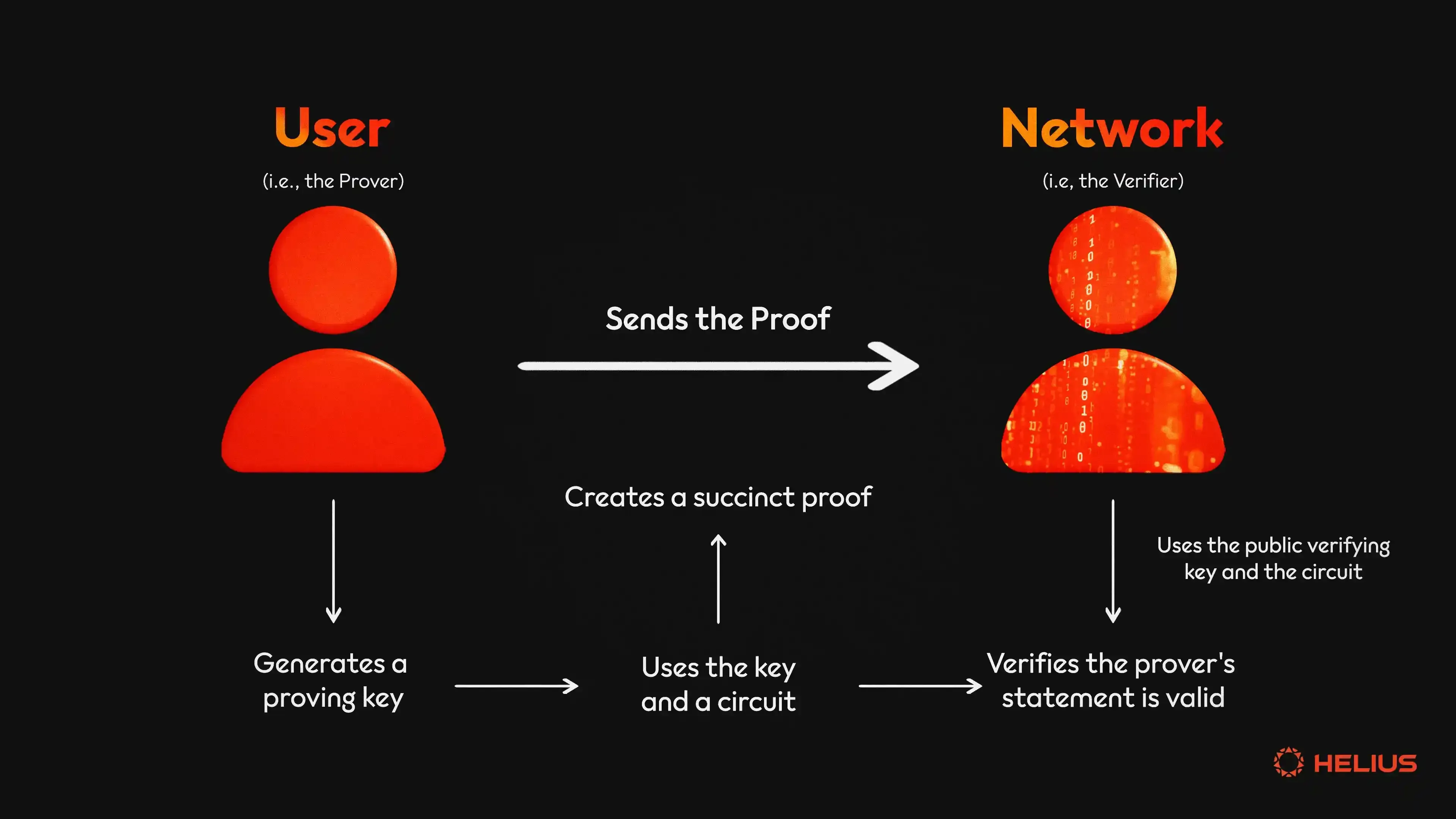
The process relies on zero-knowledge proofs (ZKPs), a cryptographic method where a prover demonstrates to a verifier that a statement is true without disclosing any information beyond the validity of the statement itself. In the context of AI, the "statement" is that the inference was generated by a certified model. The verifier checks a mathematical proof on-chain, confirming the result is authentic without needing to see the proprietary algorithm or sensitive user data.
Business Value and Compliance
This technology bridges the gap between AI utility and regulatory compliance. For industries like healthcare and finance, where data sovereignty is paramount, ZKML enables auditability without exposing trade secrets or violating privacy laws. It provides a transparent layer of trust, allowing stakeholders to verify that decisions were made by authorized models, thereby reducing liability and enhancing confidence in automated systems.
Key Tools and Frameworks for ZKML
Implementing zero-knowledge AI verification requires bridging the gap between heavy cryptographic proofs and efficient machine learning models. Developers are increasingly relying on specialized frameworks that handle the complexity of circuit generation, allowing them to focus on model integrity rather than low-level cryptography.
Circom and SnarkJS
Circom is a domain-specific language that allows developers to describe arithmetic circuits, which are the foundation of many zero-knowledge proofs. It compiles these circuits into R1CS format, which SnarkJS can then use to generate and verify proofs in the browser or on a server. This stack is popular for its flexibility and strong community support, making it a go-to for custom verification logic.
Polygon Miden
Polygon Miden offers a virtual machine optimized for zero-knowledge proofs, designed to handle complex computations efficiently. It allows developers to write programs in Move, a safe programming language, and compile them into zkVM proofs. This approach is particularly useful for applications requiring high throughput and compatibility with existing blockchain ecosystems.
ZKKit
ZKKit provides a collection of pre-built cryptographic primitives that simplify the integration of zero-knowledge proofs into AI verification pipelines. By offering ready-to-use components for common operations, it reduces the development time and potential for errors in circuit design. This is especially valuable for teams looking to prototype quickly without sacrificing security.
TensorFlow-ZK
TensorFlow-ZK extends the popular TensorFlow framework with zero-knowledge capabilities, enabling models to be trained and verified privately. It allows organizations to verify that a model was trained on specific data or followed certain constraints without exposing the data itself. This is critical for industries like healthcare and finance, where data privacy and regulatory compliance are paramount.
These tools are evolving rapidly, driven by the need for transparent and verifiable AI systems. As the technology matures, we can expect more interoperable solutions that make zero-knowledge AI verification accessible to a broader range of developers and organizations.
No comments yet. Be the first to share your thoughts!