What ZK model proofs actually do
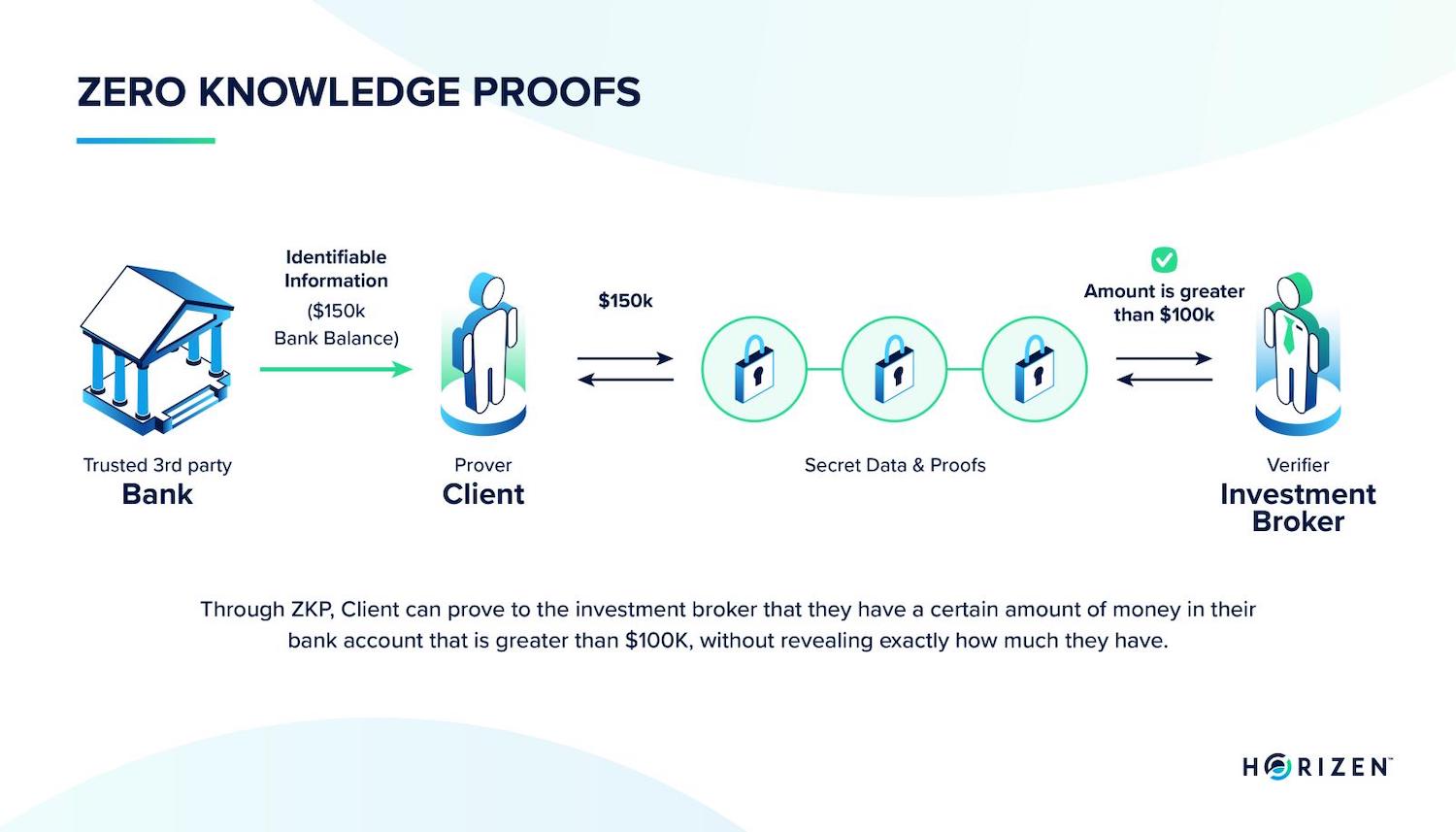
Zero-knowledge proofs (ZKPs) let one party prove a statement is true without revealing the underlying data. In the context of 2026 AI, this technology solves a critical privacy bottleneck: it allows systems to verify that an AI model was trained on legitimate data and that inference outputs are correct, all while keeping sensitive inputs and proprietary weights hidden.
Think of it like a locked safe. You can prove to a friend that the safe contains a specific document without handing over the key or opening the door. The verifier sees the proof, not the contents. This distinction is vital for AI, where training data often includes private user information or copyrighted material that cannot be exposed.
For developers and enterprises, this means deploying AI models in regulated environments—such as healthcare or finance—without violating data protection laws. The model provider retains ownership of their weights, and the user retains privacy of their queries, while a third party can still audit the system's integrity.
Top ZK Model Proof Platforms for 2026
As AI models grow more complex, verifying their outputs without exposing sensitive training data has become a critical bottleneck. Zero-knowledge (ZK) proofs offer a solution by allowing systems to prove the validity of a computation without revealing the inputs or the model architecture itself. For developers and enterprises, choosing the right platform means balancing proof generation speed, verification cost, and framework compatibility.
The landscape in 2026 is defined by specialized tools that bridge the gap between traditional AI frameworks and blockchain verification. These platforms enable applications to verify user credentials or model results while preserving privacy, a necessity as AI-generated content becomes more prevalent. Below are the leading solutions driving this shift.
Polygon ID
Polygon ID is a leading decentralized identity solution that leverages ZK-SNARKs to allow users to prove specific attributes without exposing their full identity. In the context of AI, it enables applications to verify that a user meets certain criteria—such as age, residency, or subscription status—without accessing their raw personal data. This is particularly valuable for AI-driven services that require strict compliance with data privacy regulations like GDPR.
The platform supports a wide range of verifiable credentials, making it flexible for various AI use cases, from personalized content delivery to secure access control. By keeping sensitive data off-chain and only publishing the proof on-chain, Polygon ID reduces the risk of data breaches while maintaining the integrity of AI interactions. Its integration with the Ethereum ecosystem ensures broad compatibility for developers building privacy-preserving AI applications.
Celo ZK Email
Celo ZK Email focuses on verifying the authenticity of email communications using zero-knowledge proofs. While primarily designed for identity verification, its underlying technology is increasingly relevant for AI systems that rely on email-based authentication or notification services. It allows users to prove they own an email address or have received a specific message without revealing the content of the email itself.
This capability is crucial for AI agents that need to interact with email services securely. By using ZK proofs, Celo ensures that AI models can verify user inputs or trigger actions based on email events without accessing the full mailbox. This minimizes the attack surface for privacy leaks and enhances trust in AI-driven communication workflows.
Aztec Network
Aztec Network provides a private smart contract platform that enables confidential AI model inference. Unlike public chains where transaction data is visible, Aztec allows AI computations to run in a private environment. This is essential for enterprise AI applications where the logic of the model or the data being processed must remain confidential.
By utilizing zero-knowledge rollups, Aztec ensures that the computation is verified on-chain without exposing the data. This makes it an ideal choice for healthcare and financial AI applications that require strict data privacy while maintaining the security and transparency benefits of blockchain technology.
| Platform | Primary Focus | Key AI Use Case |
|---|---|---|
| Polygon ID | Decentralized Identity | Verifying user attributes for AI services |
| Celo ZK Email | Email Verification | Secure AI agent authentication |
| Aztec Network | Private Smart Contracts | Confidential AI model inference |
How ZK proofs solve the scalability trilemma
Blockchain networks have long struggled with the scalability trilemma: improving speed usually sacrifices security or decentralization. ZK model proofs break this cycle by shifting the heavy lifting of computation off-chain. Instead of every node re-executing an AI inference or training step, the network only verifies a succinct cryptographic proof that the work was done correctly.
This mechanism allows the network to scale horizontally. You can process terabytes of model data or run large language model inferences on specialized hardware, then submit a tiny proof to the main chain. The chain validates the proof in milliseconds, maintaining full security guarantees without becoming a bottleneck. Decentralization is preserved because any node, regardless of its computational power, can verify the proof.
For AI workloads, this is transformative. Traditional blockchains cannot handle the memory and compute requirements of modern neural networks. ZK proofs decouple the execution environment from the consensus layer. This means you can use high-performance GPUs for the actual AI work while relying on the blockchain for secure, verifiable settlement. The result is a system that is fast enough for real-time AI applications, secure enough for financial or critical data, and decentralized enough to resist censorship.
Real-world ZK model proof use cases
Zero-knowledge proofs have moved beyond theoretical cryptography into active infrastructure. Today, they secure transactions and validate AI models without exposing sensitive data. This shift allows platforms to verify correctness while preserving user privacy.
Private DeFi transactions
Decentralized finance platforms use ZKPs to hide transaction details while proving solvency. Users can demonstrate they meet lending criteria or have sufficient collateral without revealing their entire portfolio. This approach prevents front-running and protects financial data from public ledgers.
Secure AI model audits
AI developers deploy ZK proofs to verify model outputs without sharing proprietary weights. Researchers can prove a large language model processed data correctly without exposing the training set. This ensures intellectual property remains secure during third-party verification.
Identity verification
ZK-ID systems allow users to prove age or residency without sharing birth dates or addresses. The proof confirms a specific attribute exists within a dataset without revealing the dataset itself. This reduces identity theft risks and complies with data minimization principles.


As an Amazon Associate, we may earn from qualifying purchases.
Frequently asked questions about ZK proofs
Are ZK proofs ready for production AI? Yes. By 2026, major platforms like Polygon ID and zkSync have moved beyond testing. They now support verifiable inference for AI models, allowing developers to prove a computation occurred without exposing the data. This shift has made ZK proofs a standard for privacy-preserving machine learning in enterprise environments.
How do ZK-Rollups impact AI costs? ZK-Rollups significantly reduce transaction fees by batching multiple AI inference requests into a single proof. Instead of paying for individual on-chain computations, users pay a fraction of the cost. This efficiency makes running large language models on-chain economically viable for the first time.
Can I use ZK proofs with existing AI models? Most modern ZK stacks support popular frameworks like PyTorch and TensorFlow. You can wrap existing models in a zkML (Zero-Knowledge Machine Learning) circuit to generate proofs. While this requires some setup, it does not require retraining your model from scratch.
Is zero knowledge proof secure against quantum attacks? Current ZK proof systems, such as STARKs, are designed to be quantum-resistant. Unlike traditional cryptographic methods, they rely on hash functions and error-correcting codes that remain secure even against quantum computing threats. This makes them a future-proof choice for long-term data privacy.
No comments yet. Be the first to share your thoughts!