
ZK Proofs for Verifying Dataset Licensing in AI Training Pipelines

As AI models scale up, the shadows of dataset licensing disputes lengthen. Enterprises pump billions into training runs, only to face lawsuits over unlicensed data scraped from the web. Regulators circle, demanding proof that every byte fed into the neural net came with permission. Here’s the rub: traditional audits expose trade secrets, while self-reported compliance invites skepticism. Enter zero-knowledge proofs for dataset licensing – a cryptographic hammer that cracks this nut without spilling the beans.

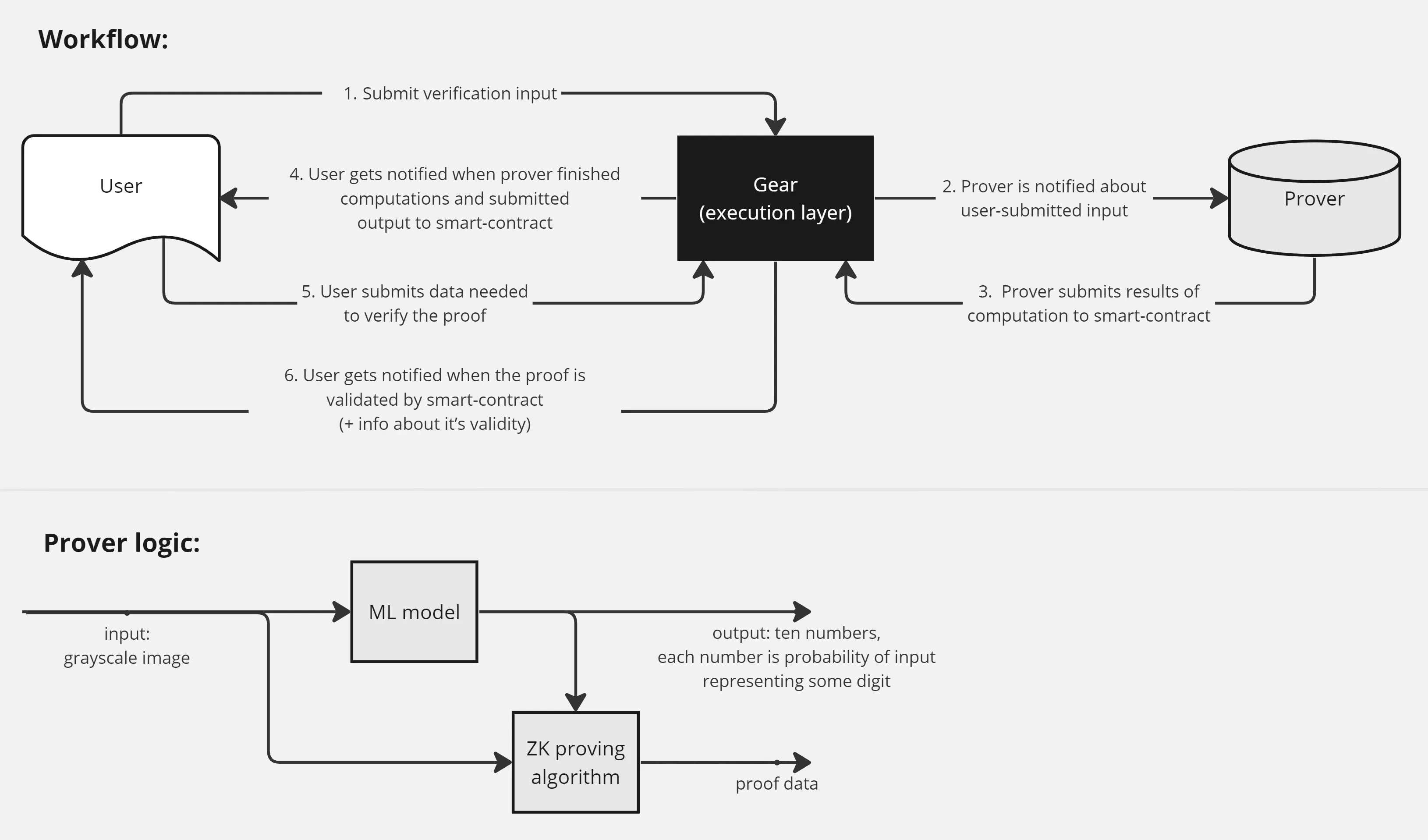
Picture this: your AI firm trains a powerhouse language model on petabytes of proprietary datasets. Clients and watchdogs want ironclad assurance it’s all licensed properly, but revealing the data guts your competitive edge. ZK proofs flip the script. They let you prove – mathematically, verifiably – that training incorporated only authorized sources, sans any data leakage. No more finger-pointing or forensic fishing expeditions.
Unpacking the Dataset Provenance Mess
Dataset licensing isn’t a box-ticking exercise; it’s a minefield. Open licenses often cap usage, starving models of volume, as noted in licensing deep dives. Worse, licenses alone don’t gauge legal risk – context like data mixtures and derivations muddies the water. LG AI Research nails it: don’t trust licenses at face value. Contamination from unlicensed scraps can torpedo a model years later.
In federated setups, where data stays siloed across partners, provenance tracking turns nightmarish. Collaborative training boosts performance but invites compliance roulette. Without verifiable attestations, you’re betting the farm on trust. ZK proofs dataset licensing bridges this, attesting origins and integrity over decentralized pipelines.
Zero-Knowledge Magic in Action
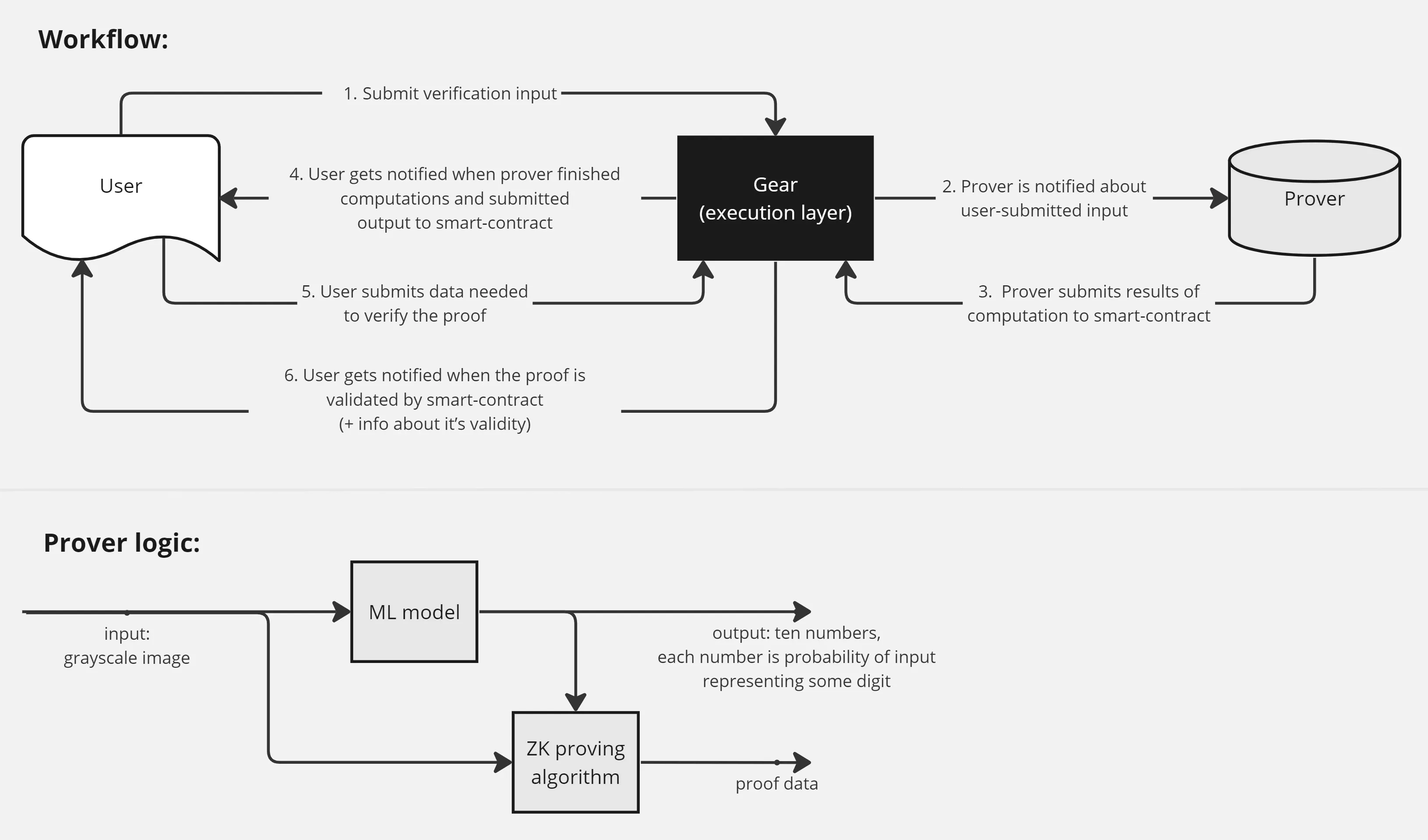
At core, a zero-knowledge proof (ZKP) is a prover whispering to a verifier: “I know the secret, trust me. ” The verifier checks the math, convinced, without learning the secret. In AI training data provenance, the “secret” is your dataset hashes, licenses, and training logs. You generate a succinct proof that computations matched licensed bounds – model weights emerged from approved data – verifiable in milliseconds.
This isn’t theory. Frameworks like zkPoT formalize it with rigorous security. Provers bind datasets to outputs, ensuring no funny business. Efficiency matters too; naive ZK schemes bloat compute, but snark-optimized variants scale to enterprise pipelines. Result? AI training data provenance that’s tamper-proof and privacy-first.
Take ZKPROV: it fuses datasets, parameters, and responses into a privacy-efficient proof. Train on licensed blends, output a badge saying “compliant, ” and auditors nod without peeking inside. Quantum threats? Layered ZK resists them, per security analyses.
Key milestones in ZK proofs for dataset licensing
| Year | Milestone |
|---|---|
| 2024 | 🚀 zkPoT proposal |
| 2025 | 📄 ZKPROV arXiv paper |
| 2026 | 🤝 VerifBFL for federated learning |
| 2026 | 🏢 IBM decentralized framework |
Enterprise Demands Heat Up
Fast-forward to March 2026: boards demand ZK attestations training data before greenlighting models. Enterprises attest licensed origins sans exposure, dodging fines and PR nightmares. IBM’s framework scales this to decentralized AI, verifiable computation atop ZK for inference too.
VerifBFL pushes boundaries in federated learning – zk-SNARKs plus blockchain for incremental proofs. Train across nodes, aggregate attestations, verify globally. No central oracle, pure crypto trust. This isn’t optional; as models commoditize, zero knowledge proofs AI compliance separates winners from litigators.
Surveys spotlight collaborative gains: privacy-preserved training lifts accuracy while ticking regs. Medium breakdowns demystify ZKML, proving computations sans data dumps. CSA underscores model integrity checks, shielding architectures. Gopher Security eyes quantum-safe MCPs. ICME ties it to secure, compliant AI ops.
Yet challenges linger. Proof generation chews GPU cycles; optimizations lag real-time needs. Still, trajectory points up – tools mature, adoption surges. For AI builders, ignoring ZKPs risks obsolescence; embracing them unlocks compliant scale.
Builders who get this right don’t just dodge bullets; they build moats. ZK proofs dataset licensing isn’t a nice-to-have; it’s the compliance engine powering tomorrow’s unicorns.
Bridging Theory to Pipelines
Enough abstraction. How do you wire ZK into your training stack? Start with dataset fingerprinting: hash every licensed file, embed commitments in your proof circuit. During training, log aggregates that prove inclusion without enumeration. Post-training, spit out a zk-SNARK verifying the whole shebang matched the license manifest.
Take ZKPROV as blueprint. It chains dataset hashes to model params and outputs, proving fidelity end-to-end. No side-channel leaks, no audit marathons. In federated realms, VerifBFL layers incremental verification on blockchain, letting nodes contribute proofs that compose globally. IBM’s decentralized push scales this, handling inference provenance too. Skeptics? Run the numbers: verification clocks microseconds, generation hours on clusters – feasible for production.
Opinion: most teams botch this by overengineering. Strip to essentials – prove what regulators care about, nothing more. That keeps proofs lean, pipelines humming.
Code Meets Crypto
Hands-on types, here’s the spark. A basic Circom snippet hashes dataset commitments, checks against a license merkle root. Prove your training drew from the approved tree, no leaves exposed. Scale it with recursion for petabyte runs.
DatasetLicenseProof Circom Circuit
Use this Circom circuit to generate a ZK proof verifying a dataset hash belongs to a licensed Merkle tree.
template DatasetLicenseProof(n_samples) {
    signal input dataset_hash;
    signal input merkle_root;

    // Verify dataset_hash is in the licensed Merkle tree
    component hash_check = MerkleProof(32);

    // Connect leaf and root (proof signals connected externally)
    hash_check.leaf <== dataset_hash;
    hash_check.root <== merkle_root;

    // Enforce inclusion
    hash_check.enabled <== 1;
}
Compile with Circom, generate proofs with snarkjs, and verify on-chain.
This pseudocode evolves fast in repos. Pair with snarkjs for proof gen, ethers for on-chain posting. Test on toy datasets first - convince yourself before betting the model.
snarkjs Verifier for ZK Dataset Licensing Proofs
Use this snarkjs verifier to check zk-proofs for AI dataset provenance and licensing. The proof confirms the dataset hash matches a licensed source and complies with terms, without exposing private data.
// ZKML Verifier for Dataset Licensing Compliance using snarkjs

import * as snarkjs from 'snarkjs';
import fs from 'fs';

async function verifyDatasetLicense(proofPath, publicSignalsPath, vkPath) {
  const proof = JSON.parse(fs.readFileSync(proofPath, 'utf8'));
  const publicSignals = JSON.parse(fs.readFileSync(publicSignalsPath, 'utf8'));
  const vKey = JSON.parse(fs.readFileSync(vkPath, 'utf8'));

  const isValid = await snarkjs.groth16.verify(vKey, publicSignals, proof);
  console.log('Dataset license verified:', isValid);
  return isValid;
}

// Example usage:
// publicSignals: [datasetHashBN, licenseIdBN, complianceFlag (1 for compliant)]
// await verifyDatasetLicense('proof.json', 'public.json', 'vk.json');
Run this in a Node.js environment after compiling your Circom circuit for licensing checks. Add to your training pipeline to gate dataset usage on proof validity.
Payoffs Beyond Compliance
Dig deeper: model provenance verification via ZK unlocks marketplaces. Sell models with baked-in attestations; buyers verify licensing instantly, no NDAs. Federated consortia thrive - pharma shares signals sans formulas, autos tune across OEMs. Montreal AI Ethics Institute prototypes this, blending regulation with innovation.
Cloud Security Alliance flags model integrity as next frontier. ZKPs audit weights originated correctly, thwarting poison attacks. Quantum looming? Post-quantum schemes harden the stack, per Gopher. Enterprises win trust capital, regulators get sound sleep, devs reclaim time from paperwork.
Pushback? Yeah, GPU hunger upfront. But amortize over model lifecycles, it's pennies. Tools like Halo2 slash recursion overhead; 2026 benchmarks show 10x gains. Trajectory screams adoption - arXiv floods with zkPoT extensions, ePrint formalizes guarantees.
Bottom line: in AI's provenance arms race, ZK lappers the field. Teams ignoring it court irrelevance; pioneers script the rules. Forge your proofs today, own the compliant future.